BEEST honey follows the bloom calendar of Martvili and the Colchic forest. Each season delivers a different palette to the comb — and each leaves its trace.
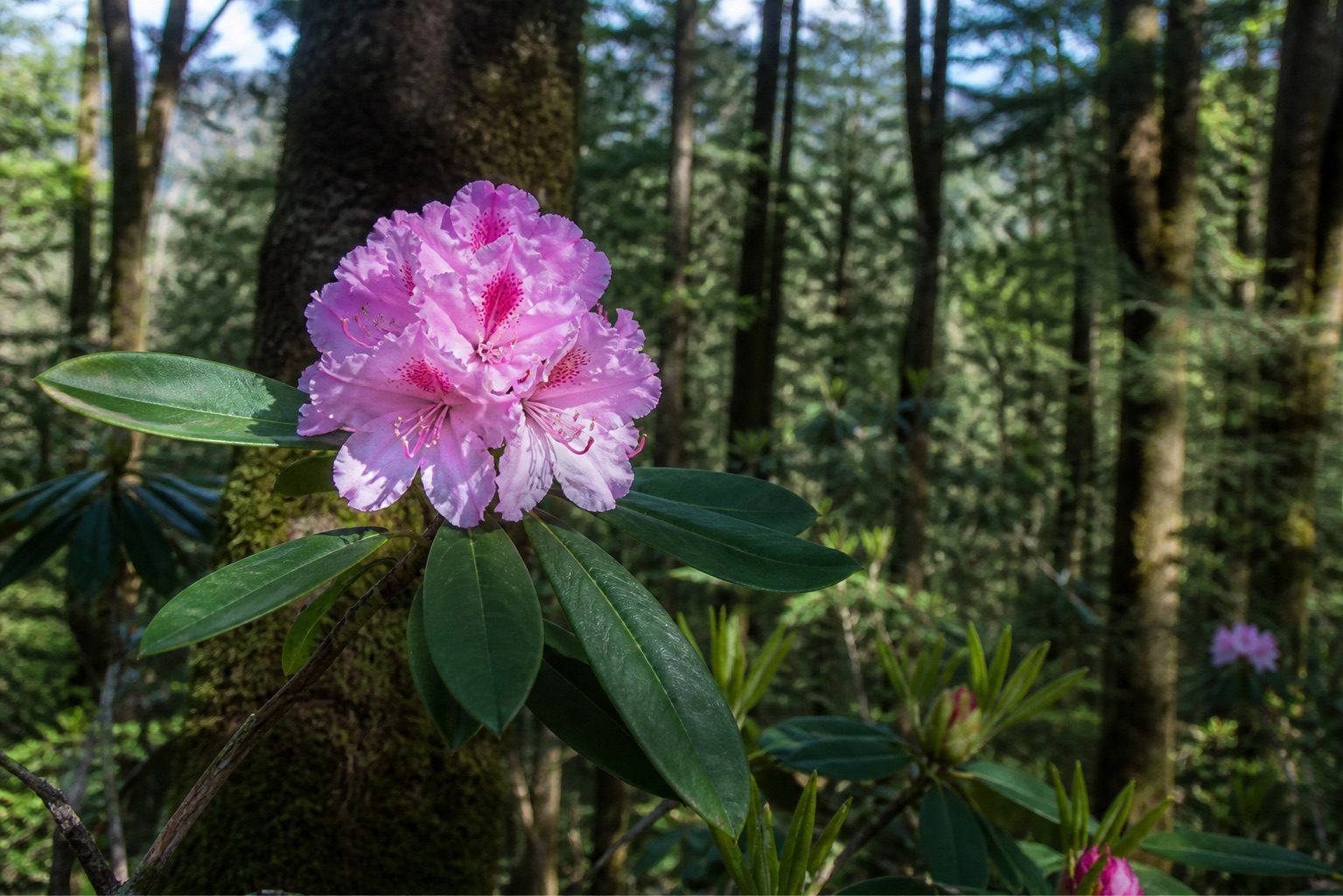
The forest answers in spring with Rhododendron ponticum — purple, common in the Colchic understory. Sweet chestnut follows in early summer, one of the strongest nectar sources of the year, and linden carries the season through its height. Cherry laurel opens the early window, beech and hornbeam thread the cycle quietly, and Colchic boxwood (Buxus colchica, endemic to this forest) adds its small, subtle flowers. Common ivy closes the year before winter — late, but critical for the bees.
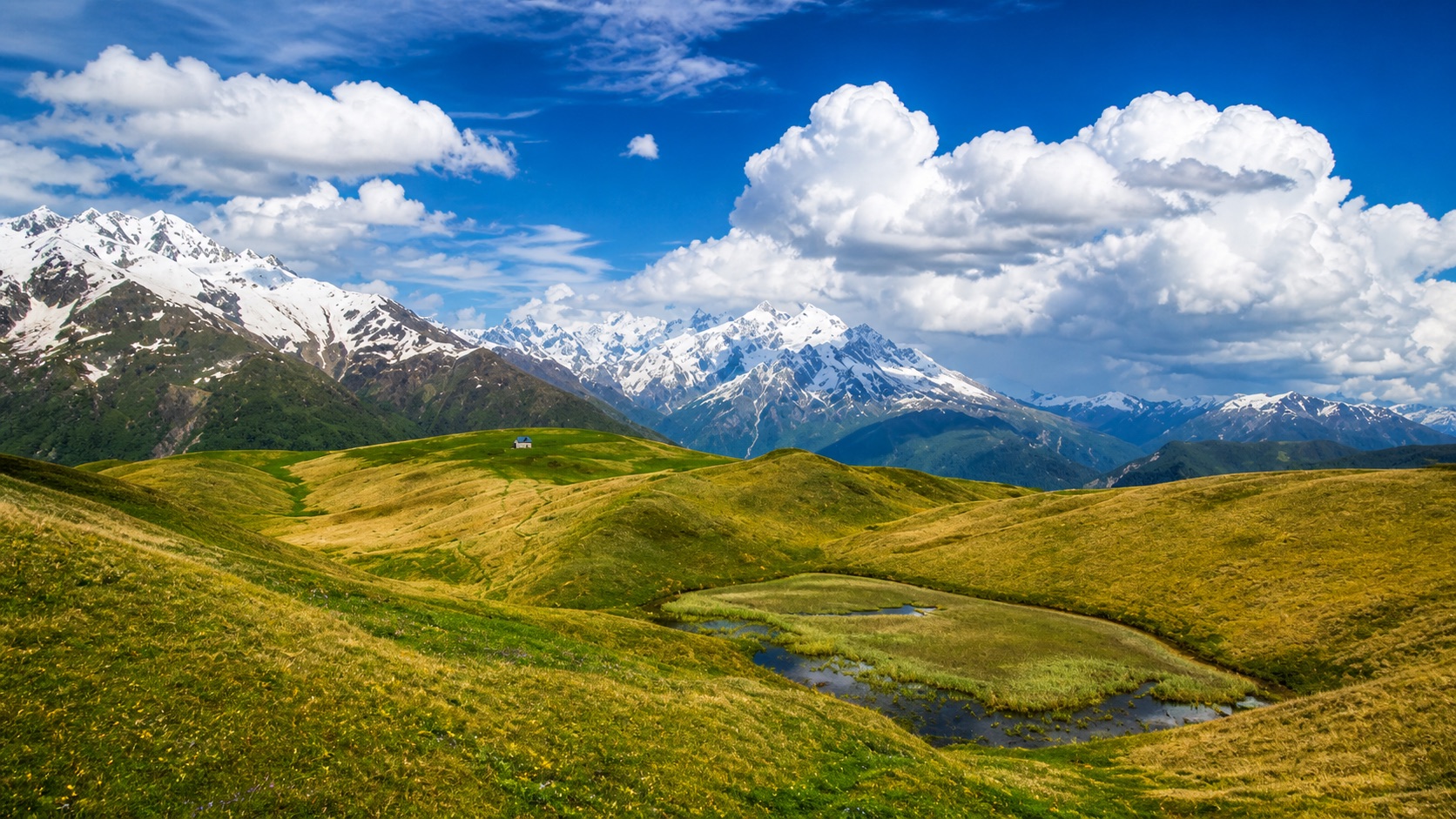
The meadow side adds clover — very important for the bees — wild daisies, and mixed wildflowers. Along the rivers and in the humid shade, wild mint and aromatic herbs add their own register; small moisture-loving plants and dense green vegetation knit the rest of the year together.